




Climate Change
Tuesday, July 16, 2013 in Comments Off on Climate ChangeIssue
Climate change is expected to significantly alter the ecology and economy of the Pacific Northwest during the 21st century. The CRITFC tribes are among the most climate-sensitive communities. Their economies and culture rely on natural resources. Tribal economies heavily depend on forest productions, agriculture and tourism, while their cultures are deeply connected to tribal First Foods, with water and salmon foremost among them. Climate change will impact tribal economies and aquatic First Foods in a number of ways.
Increased insect outbreaks, wildfires and changing species composition in forest and upland areas will pose challenges for adequate ecosystem health. Declining springtime snowpack will also lead to reduced summer streamflows, which will strain water supplies and require alterations in hydropower operations. Coldwater fisheries such as salmon, Pacific lamprey and sturgeon will experience additional stresses as water temperatures rise and summer streamflows decline.
Salmon and lamprey are particularly susceptible to these changes in water quantity and quality not only because they rely on freshwater rivers and streams as spawning and rearing habitat and as migration corridors, but also because their survival is already imperiled by an accumulation of other detrimental synergistic factors.
The resulting alteration of salmon migration patterns, degradation of salmon spawning and rearing grounds, and the increase of predators and aquatic contaminants, if not addressed, could lead to salmon, lamprey and other fish extinctions.
Hypothesis and Needed Actions
Developing technical and policy strategies to address changes in Columbia Basin water and fish resources will assist our member tribes in mitigating and adapting to climate change.
To prepare, the following actions need to be taken.
- Collect historical stream temperature, stream discharge and weather data from the Grande Ronde and the Clearwater River basins to calibrate climate models and to project stream discharge and effects on stream temperatures under future climate change scenarios.
- Produce a technical analysis of alterations in Columbia River mainstem hydrology and water quality caused by climate change and the potential mitigation and adaptation tools and processes to address these changes. Include databases and analyses of tributary temperatures and mainstem flows as well as water depletions necessary for future water resource planning needed to maintain anadromous fish populations under the next Columbia River Treaty.
- Once tribal assessments on current climate change activities are drafted, develop Strategic Climate Change Adaptation Plans in collaboration with tribal staff.
- Update the Tribal Energy Vision to reflect current and projected climate change knowledge and identify revised regional energy goals and objectives for CRITFC and its member tribes. See the new institutional recommendation Tribal Energy Vision.
- Track legislation related to climate change and energy policy and potential revenue streams to address these issues and update tribes frequently.
- Make information available to the tribes and others on the latest global and regionally downscaled climate models.
- Provide estimates of changes in runoff, temperature and precipitation pattern, and changes at the subbasin level.
- Analyze activities of other local, regional, national and international entities to address climate change impacts.
- Develop decision support tools to allow co-managers to examine alternate management strategies in the negotiations for the renewal of the Columbia River Treaty.
- Conduct outreach activities regarding findings and recommendations to our tribes and others using a variety of means, including digital and web-based media.
- Use CRITFC research and analysis, literature review and participation in regional and national forums to complement tribal/CRITFC climate change projects.
- Incorporate the concepts of resilience, ecological thresholds and alternative system states into climate impact assessments, analytical tools and adaptation plans.
- Assist our member tribes in developing strategies, coordinating policy and mitigating and adapting to climate change (i.e., adopting specific response measures to address water resource changes within specific tribal watersheds).
- Produce a climate change technical and policy framework document for CRITFC and member tribes that identifies key elements of concern and develop strategies to address these elements.
- Track the activities and outcomes of important technical climate change forums, such as the Western Climate Initiative, and, if appropriate, participate in such forums.
Expected Outcome
CRITFC will continue to understand, address and communicate the effects of climate change on the resources of the member tribes and will coordinate, develop and implement policies and strategies to address these effects. Member tribes and CRITFC will prepare a tribal strategic plan to address the changes to tributary biotic and abiotic factors in tribal ceded lands that would likely limit future anadromous fish production.
With strategic climate change/adaptation plan(s), the members tribes will have funding to take mitigation and adaptation actions to protect their natural resources.
Analysis of Columbia Basin Water and Fish Resources Included
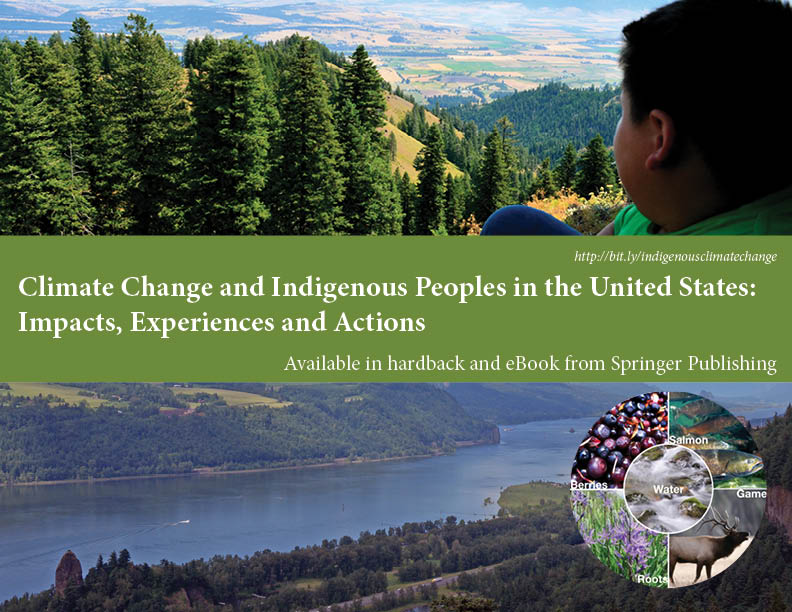
CRITFC has been studying the impacts of climate change on tribal lands for over a decade, and recently some of that research was selected for a special peer-reviewed issue of Climatic Change Journal.The issue has been released as a stand-alone hardback book. For ordering information, Click here»
Analysis of Columbia Basin Water and Fish Resources Included
CRITFC has been studying the impacts of climate change on tribal lands for over a decade, and recently some of that research was selected for a special peer-reviewed issue of Climatic Change Journal.The issue has been released as a stand-alone hardback book. For ordering information, Click here»
Climate Change Strategies
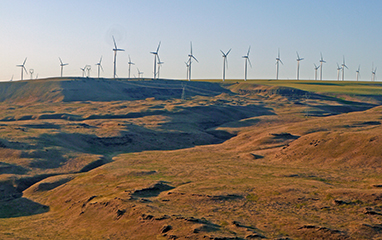
The tribes have developed some strategies to protect and restore populations of salmon, Pacific lamprey, and other imperiled fish in an ecosystem altered by the effects of climate change. Learn more»
Climate Change Strategies
The tribes have developed some strategies to protect and restore populations of salmon, Pacific lamprey, and other imperiled fish in an ecosystem altered by the effects of climate change. Learn more»
